
Blog
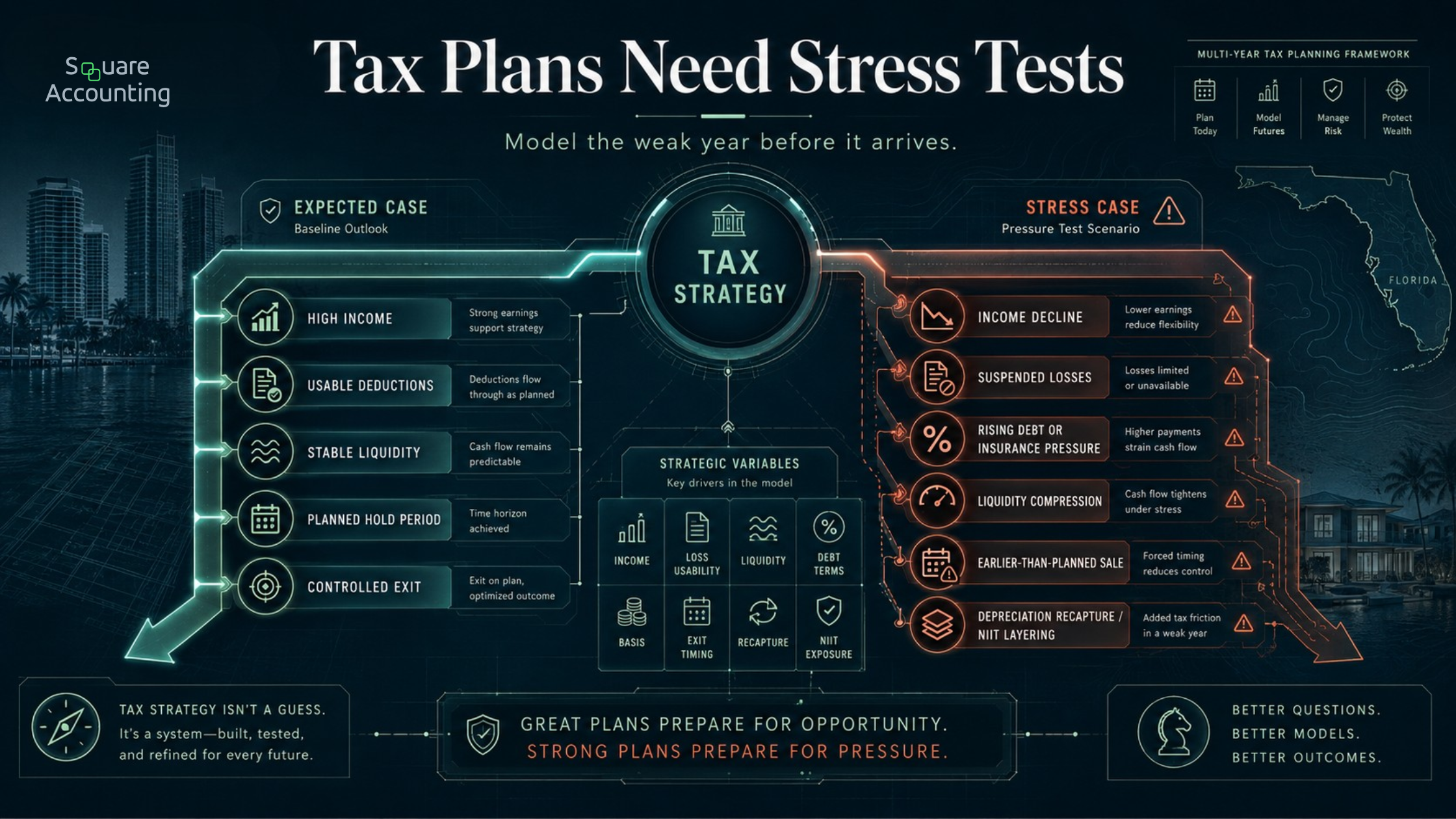
Stress-Testing Tax Strategies Against Market Downturns and Income Declines
A strong tax strategy should work across more than one version of the future. This article explains how Florida HNW taxpayers can pressure-test planning for income declines, liquidity strain, loss limitations, and exit-year tax exposure.
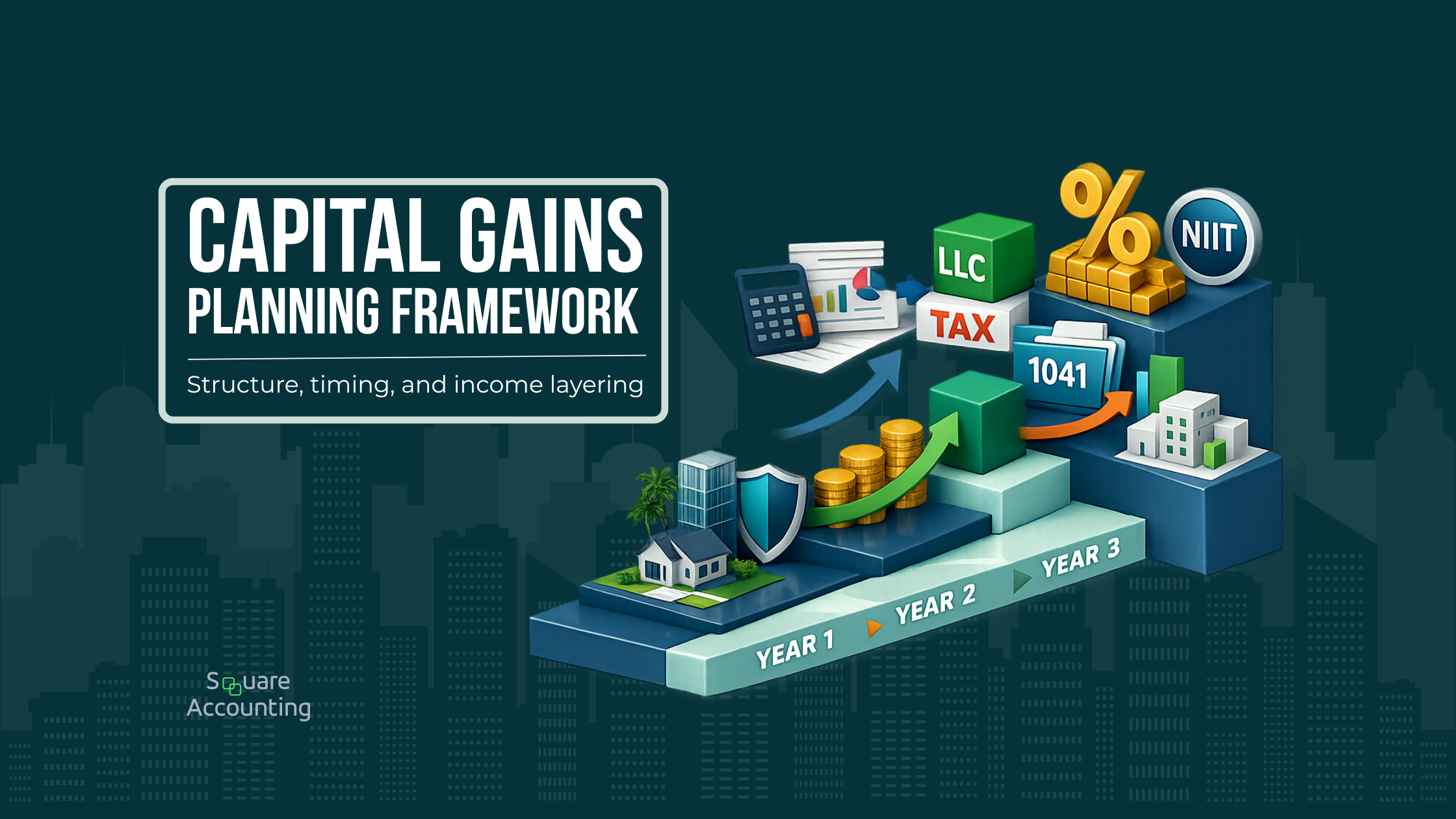
Florida Capital Gains Tax Planning for 2026: What High-Income Investors Actually Need to Think About
Florida capital gains planning is a sequencing problem, not a rate comparison. Learn how timing, structure, and exits shape long-term outcomes.
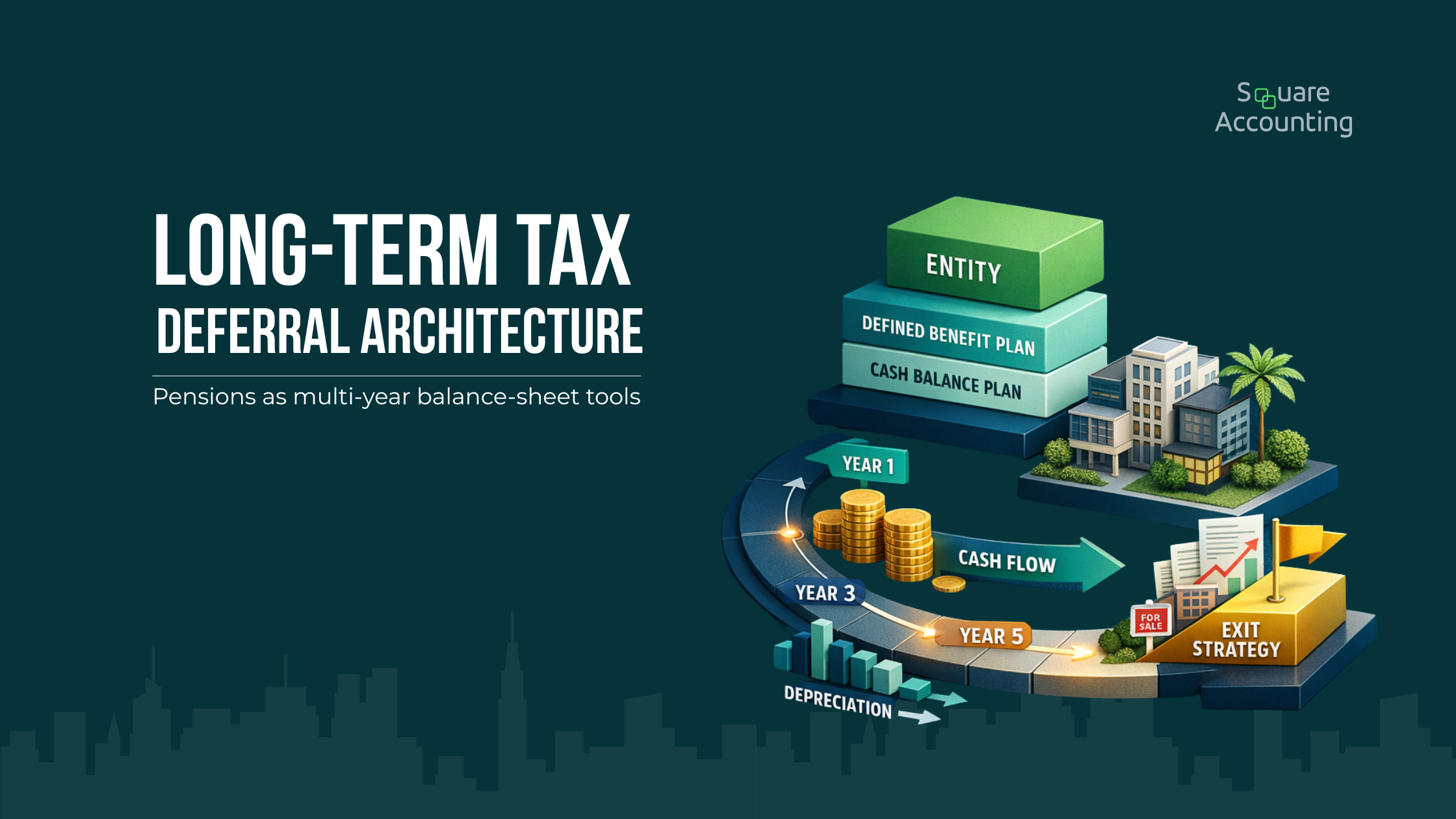
Defined Benefit and Cash Balance Plans as Long-Term Tax Deferral Vehicles
Defined benefit and cash balance plans are long-term tax deferral vehicles, not year-end tactics. Used correctly, they coordinate income, real estate, and exit planning over time.
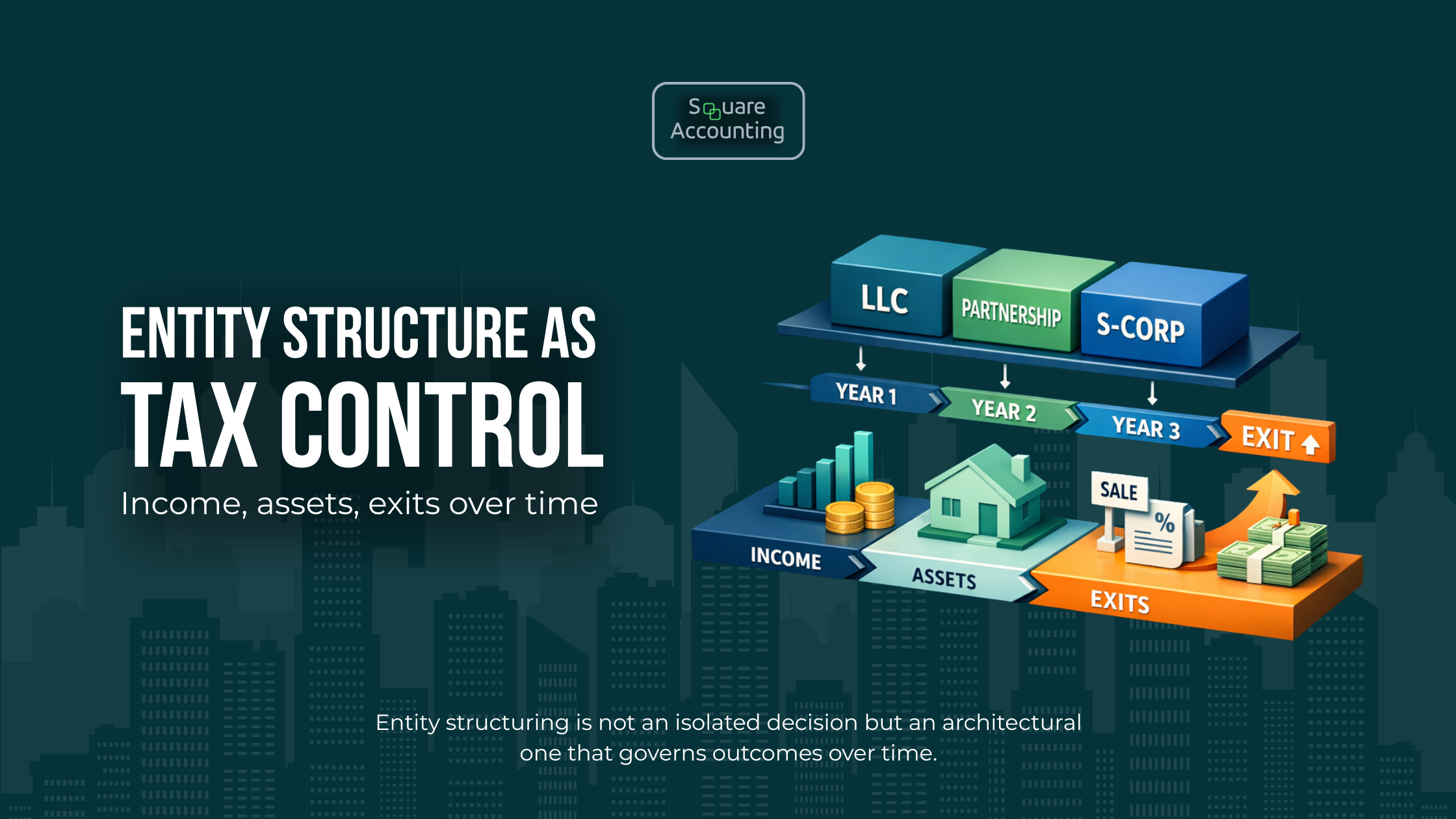
Structuring LLCs, Partnerships, and S-Corps for Long-Term Tax Control
Entity structure shapes income classification, depreciation, and exit outcomes over time. This guide examines LLCs, partnerships, and S-corps through a multi-year planning lens for Florida high earners.
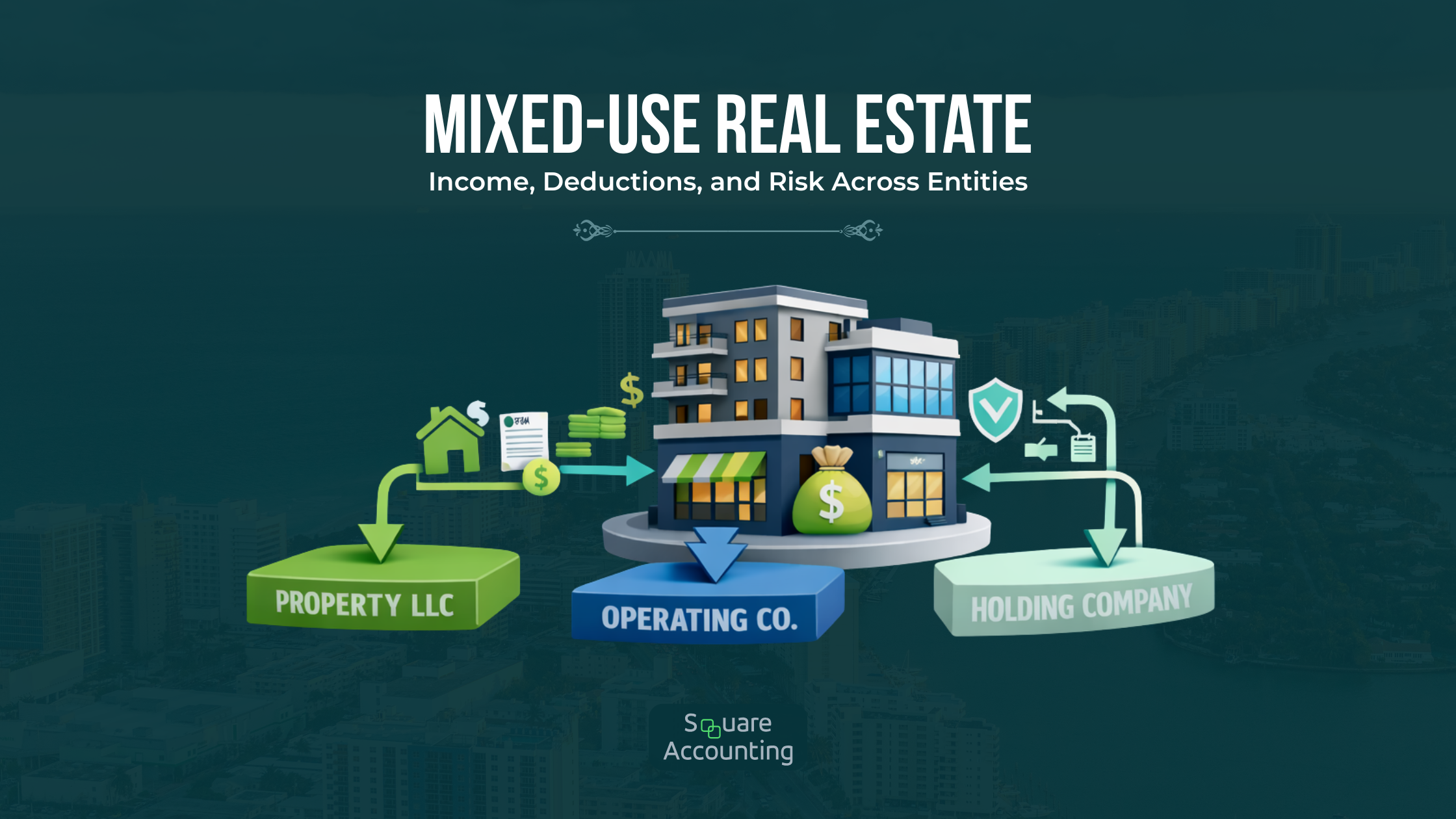
How Mixed-Use Real Estate Can Shift Income, Deductions, and Risk Across Entities
Mixed-use real estate can shift income, deductions, and risk across entities in ways that materially affect long-term tax outcomes. This guide explains how high-income Florida investors and business owners can structure mixed-use properties for sustainable, multi-year tax efficiency.
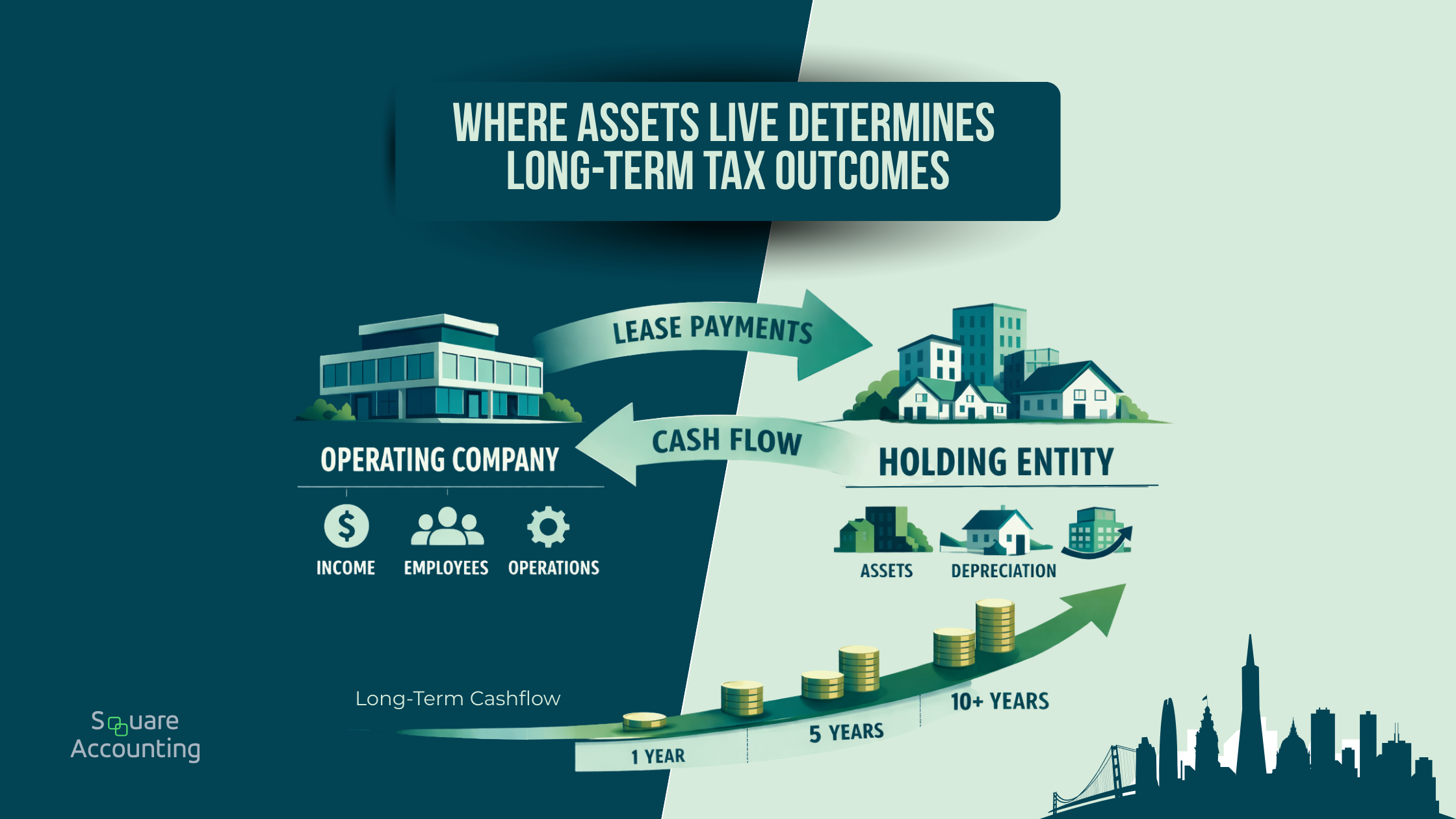
Buying Assets Inside the Operating Company vs a Holding Entity: Tax Outcomes Over 10+ Years
Buying assets inside an operating company or a separate holding entity can quietly shape tax outcomes for decades. For high-income Florida taxpayers, the real impact shows up at exit, not acquisition. This guide explains how asset placement decisions compound over 10+ years and how to structure them strategically.

Balancing Tax Savings Against Cash Flow in Highly Leveraged Strategies
Highly leveraged tax strategies can produce impressive deductions on paper while quietly straining liquidity over time. This article explains how high-income Florida taxpayers can balance tax savings against cash flow by sequencing depreciation, structuring leverage intentionally, and modeling exit and recapture consequences across multiple years.
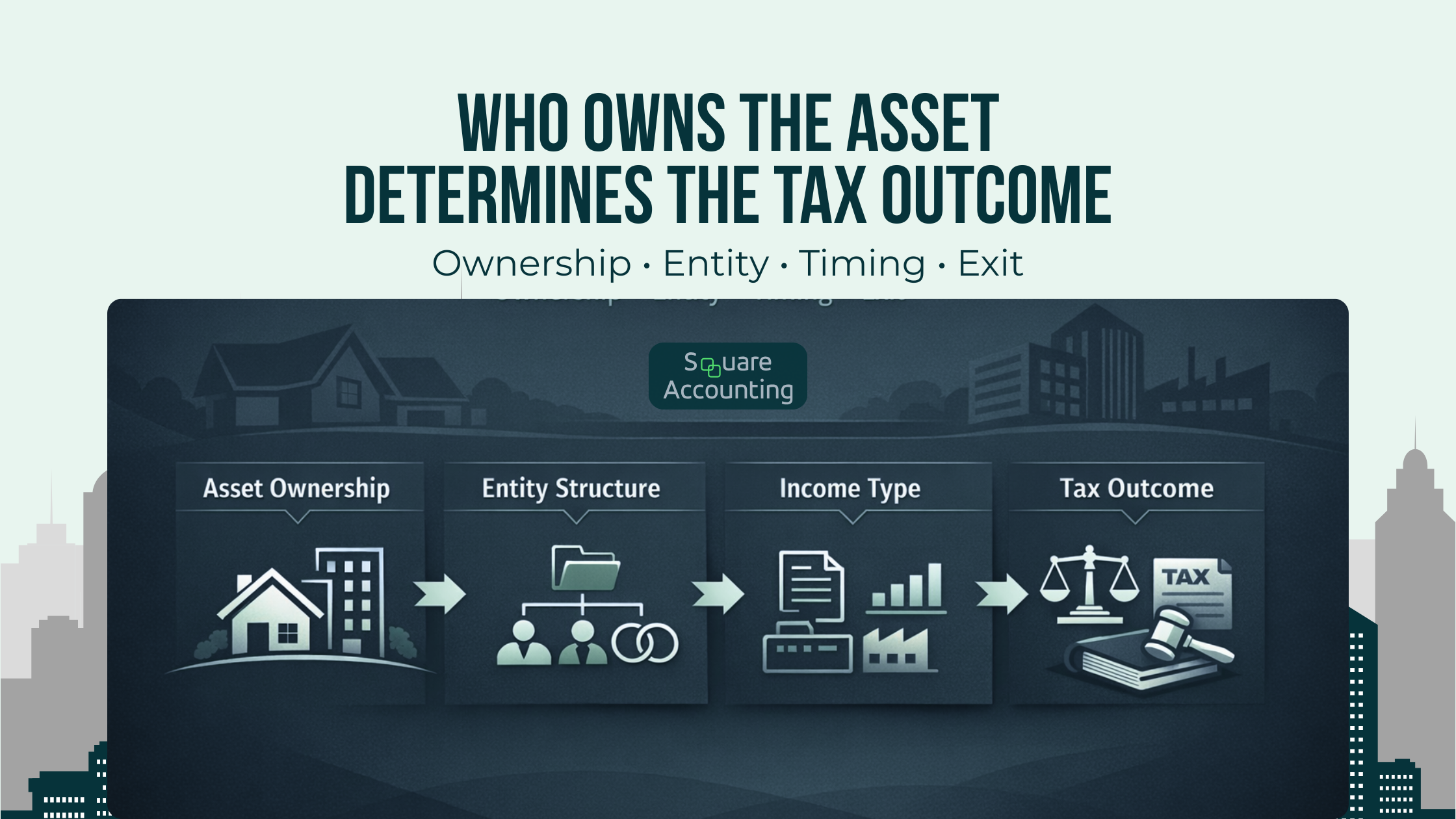
Who Owns the Asset, Who Gets the Deduction, and Why It Changes Everything
Most tax strategies fail not because deductions are unavailable, but because they are placed in the wrong hands. For high-income Florida taxpayers, asset ownership determines who gets the deduction, when it can be used, and what happens at exit. This article explains why ownership structure, entity choice, and timing change everything in long-term tax planning.
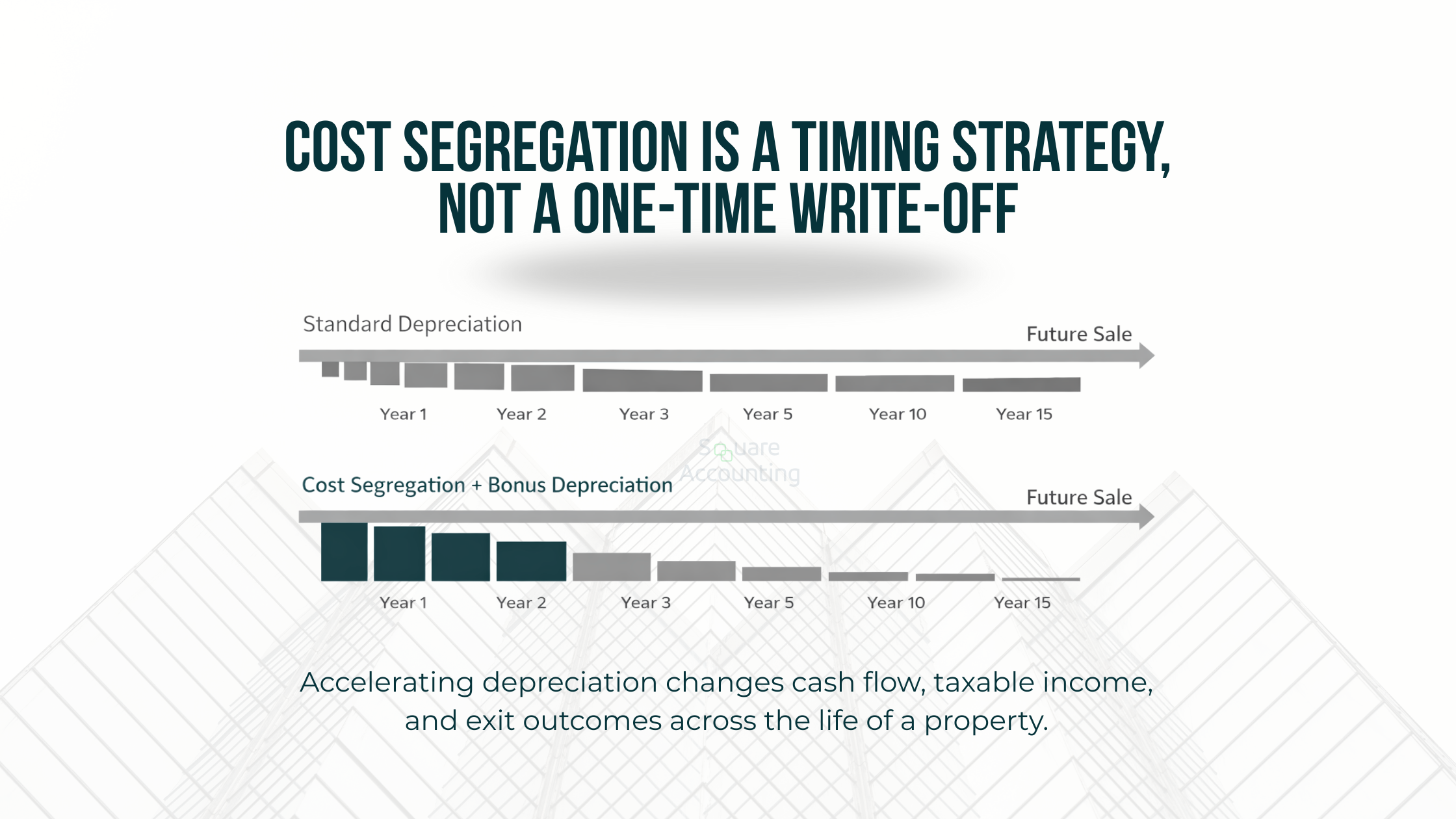
Cost Segregation as a Timing Tool, Not a One-Time Tax Play
Cost segregation is often pitched as a one-time tax savings strategy. In reality, it’s a timing decision that reshapes taxable income, cash flow, and exit outcomes over the life of a property—especially for high-income Florida investors.
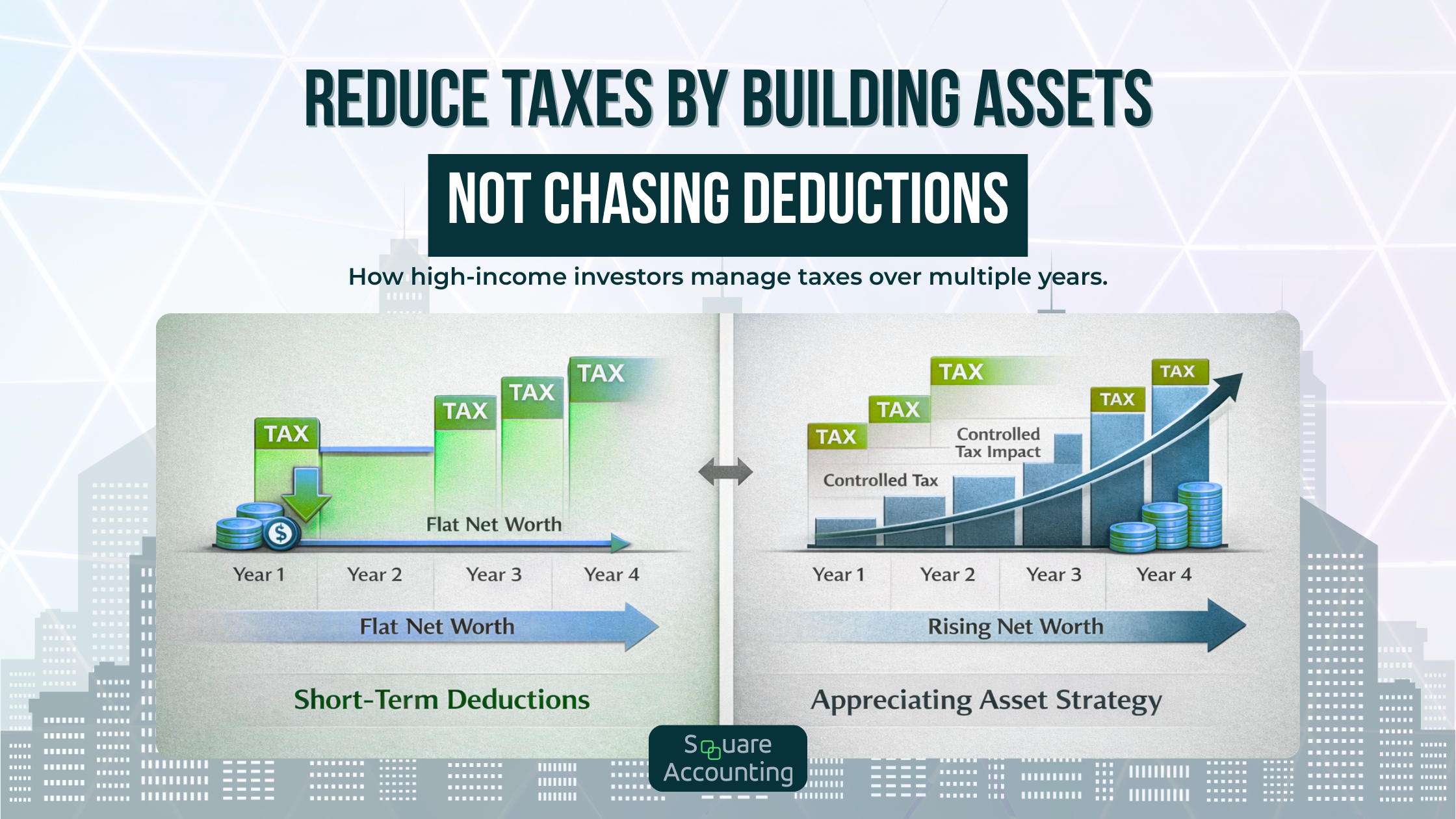
How Purchasing Appreciating Assets Can Reduce Taxes Without Chasing Short-Term Deductions
High-income Florida taxpayers often chase deductions that lower this year’s bill but do little for long-term wealth. This article explains how purchasing appreciating assets can reduce taxes over time through proper timing, structure, and exit planning—without relying on short-term write-offs.

Contact us
Talk to our Tax Advisor
Running your operations is demanding—your taxes shouldn’t add to the stress. Whether you need strategic tax planning or ongoing support, we’re here to help.